
Submissions
AsianPLoP 2026
Call for Submissions
AsianPLoP is the Asian edition of the Pattern Languages of Programs conference (PLoP™), the premier event for pattern authors and enthusiasts to gather, discuss, and learn more about patterns, design, software development, and the built world in general. Writers’ Workshops offer authors the opportunity to improve their papers. Focus groups allow everyone, including newcomers, to learn about patterns and related topics.
Patterns and pattern languages have expanded to many areas including (but not limited to) art, well-being, learning, psychology, organizational development & change, sociology, and anthropology. AsianPLoP 2026 encourages a variety of submissions regardless of the areas they target.
AsianPLoP welcomes submissions written in English and Japanese. Approved and workshopped submissions will be published in the Hillside proceedings series for AsianPLoP. All submissions should use the single ACM format (ACM Single Column Template and ACM Latex Single Column Template). Page limits are 20 pages for regular papers and 10 pages for short papers, respectively. Japanese papers should include an English title and abstract.
The topics include patterns and pattern languages related but are not limited to the following themes:
- Interacting with LLM
- AI-assisted programming
- AI-assisted software architecting/design
- Testing/verifying/validating LLM-based systems
- Architecture, design, and implementation
- Testing and verification
- Domain-driven Design
- Microservices
- Refactoring
- Agile development
- Security
- DevOps
- Education, collaboration, and interdisciplinary topics
Authors of computing-related technical papers accepted by AsianPLoP 2026 written in English and on topics of patterns for AI and software are welcome to submit their expanded work to the special issue on the Journal of Information Science and Engineering (SCIE indexed) after the conference.
We are looking forward to receiving your submissions and meeting you!
There are three types of submissions:

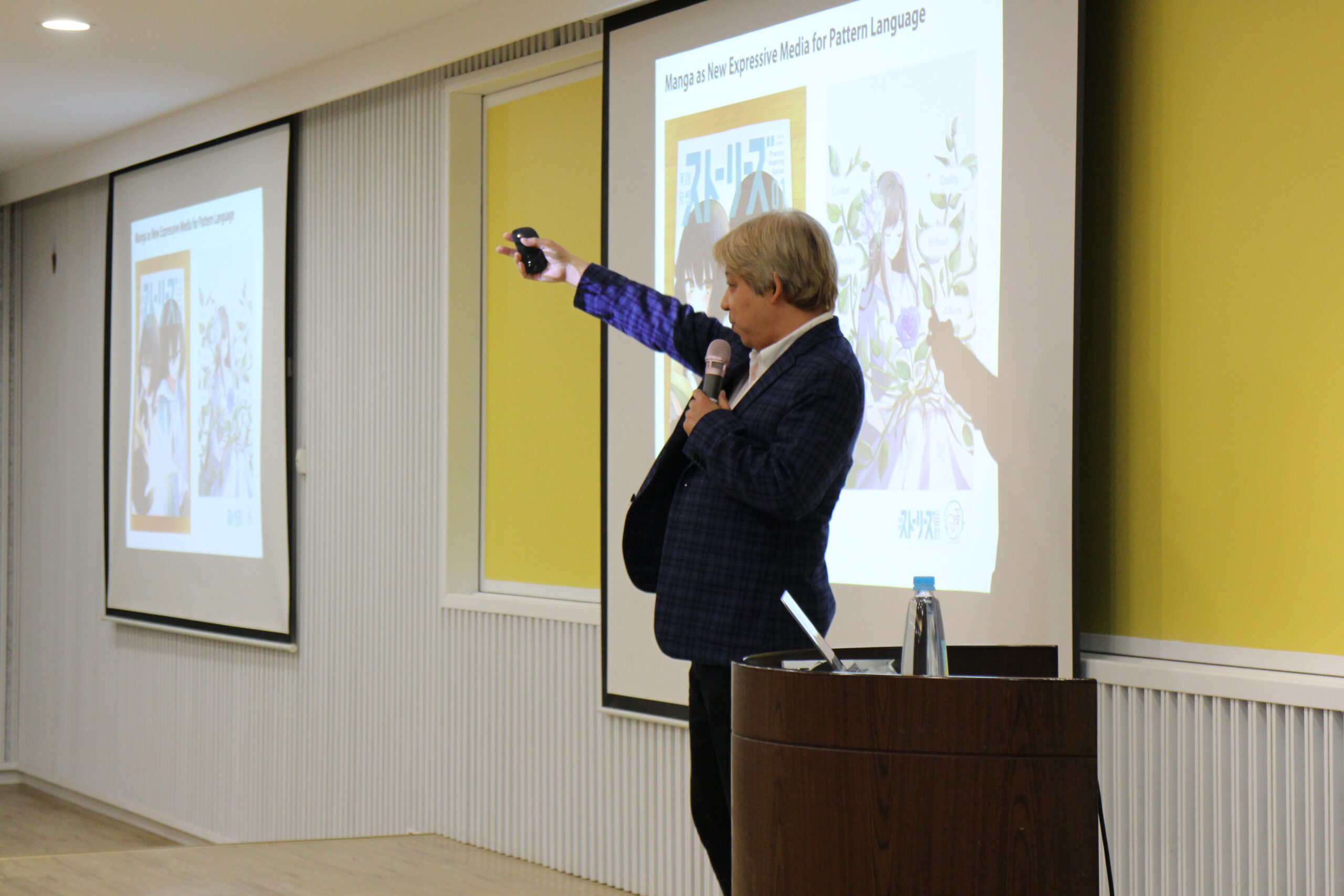
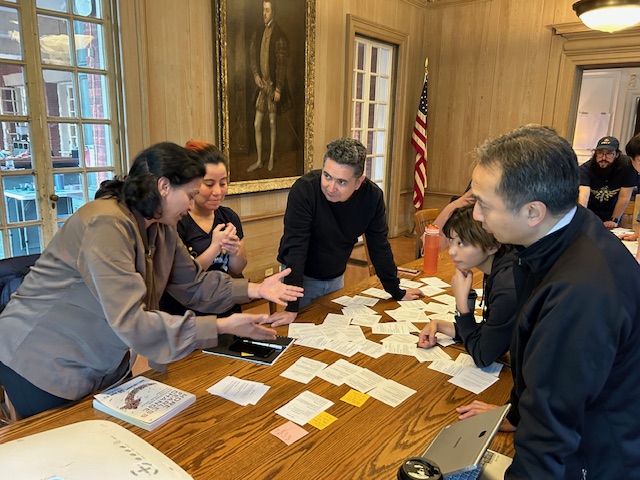
AsianPLoP does not have funding for travel, registration, and lodging. All attendees are responsible for these costs.
PAPER SUBMISSIONS
(FOR SHEPHERDING & WRITERS’ WORKSHOP)
We welcome papers describing patterns and pattern languages, experience reports, essays, empirical evaluations, reflections, etc. After the initial screening by the program committee, you will get the opportunity to improve your paper under the guidance of a dedicated shepherd. If your paper is accepted at the conference, it will be discussed in a writers’ workshop session with other authors and participants. Based on what you learn at writers’ workshops, you will make final improvements to your paper after the conference and submit it for the proceedings.
To enable the paper content to benefit from the shepherding process and the writers’ workshop discussions, please be mindful of the number of pages in your submission. You want to create a paper that allows your shepherd and the writers’ workshop attendees to digest the material and provide meaningful feedback.
If you have any questions about paper submissions, contact the program chairs.

PAPER SUBMISSIONS
(FOR INTERACTIVE PRESENTATION)
At this year’s AsianPLoP, we will introduce a new presentation and communication format in addition to the traditional paper with shepherding & Writers Workshop approach. This new format applies to papers addressing methodologies of pattern languages, theories, and philosophies, as well as case-study–based research findings. Authors of such papers will be able to select the Interactive Presentation track at the time of submission.
Authors may choose either a slide-based oral presentation, a poster-based discussion style, or both. Authors who prefer an oral presentation prepare slides or support for a 20-minute oral presentation followed by 10-minute questions. For a poster presentation, authors prepare a poster summarizing their research outcomes. Using this poster, they will have the opportunity to share their work with other participants and improve their explanations and content through Q&A and discussion.
The Interactive Presentation track aims to broaden the sharing of knowledge related to pattern language methodologies, theories, philosophies, and case studies within the pattern community, thereby enriching scholarship in this field and supporting further development.
Please note that authors of papers on pattern language methods, theories, philosophies, or case studies may still choose the traditional Shepherding & Writers’ Workshop track. This option is especially recommended for those who are not accustomed to academic writing—such as practitioners or students—who wish to receive close and ongoing support from experienced members, or who want to refine their paper through sustained dialogue.
If you have any questions about presentation submissions, contact the program chairs.
WORKSHOP FOCUS GROUPS SUBMISSIONS
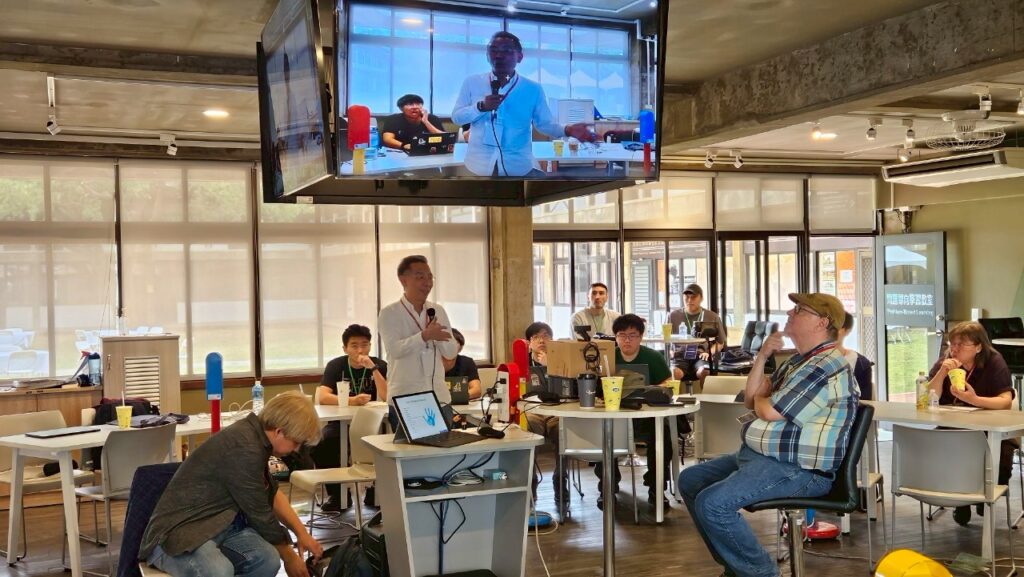
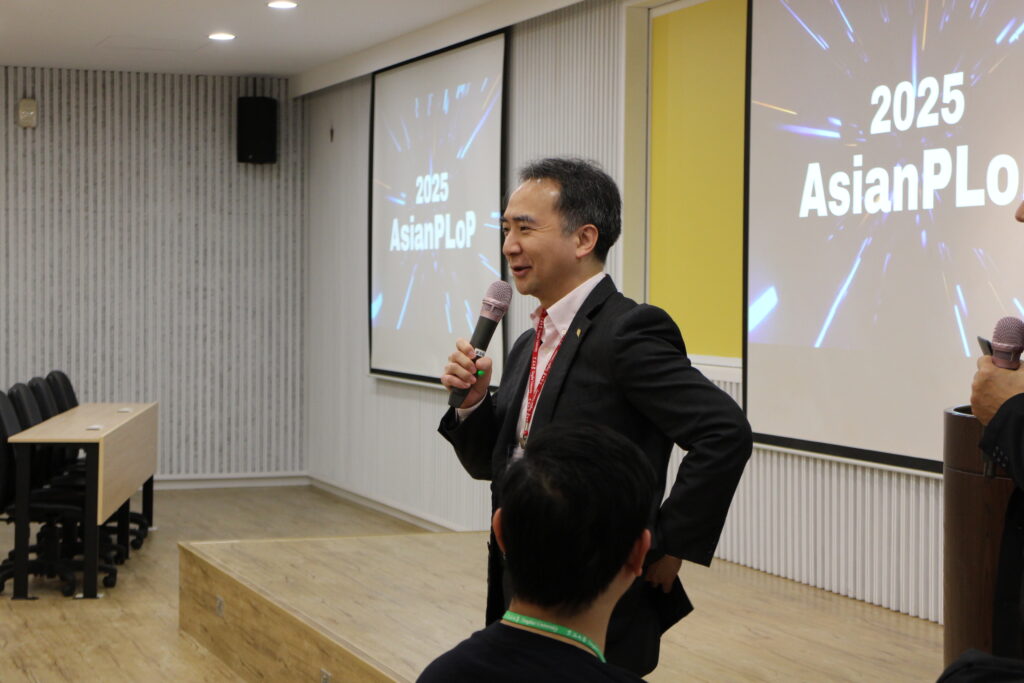
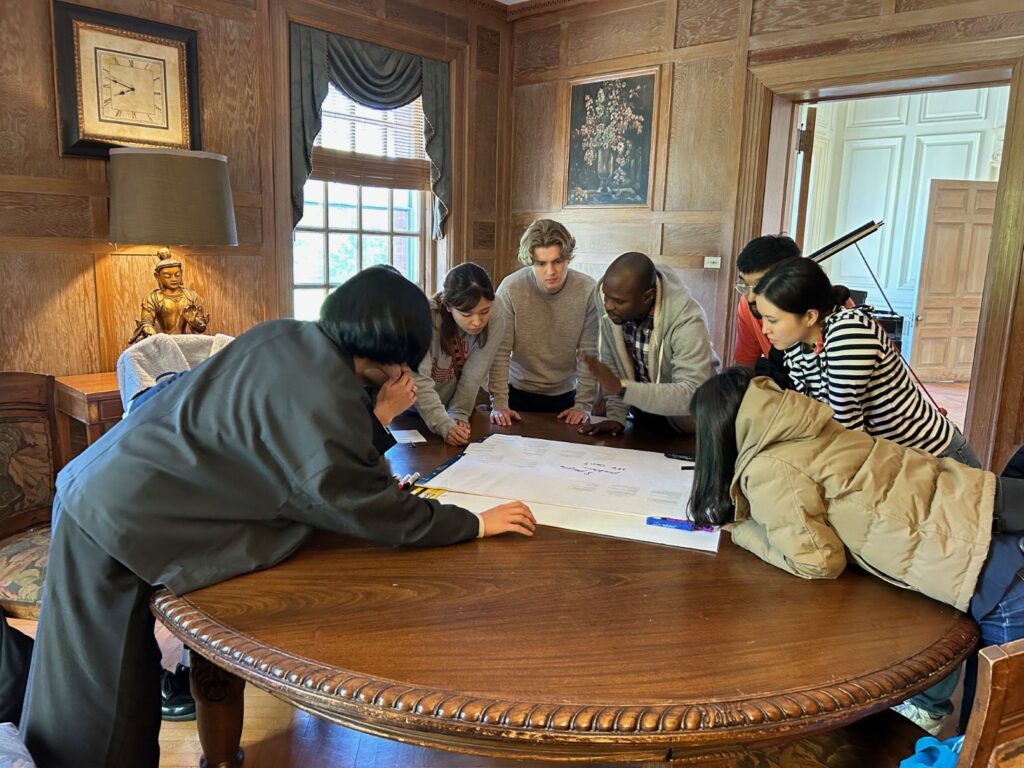
We welcome proposals for hour-long interactive presentations that will get us all thinking. Workshops and focus groups bring together people interested in exploring a topic. These sessions include non-paper sessions for people who wish to give short talks or have interactive sessions without submitting a paper. Longer sessions may consist of workshops/focus groups that bring together people interested in exploring a topic (for example, pattern mining). Free-format groups may include open spaces or fishbowls. Half-baked ideas could be discussed in a planned or pop-up birds-of-feather.
Some workshops / focus groups will have their own time slot while others will run concurrently with writers’ workshops. So, there will always be a variety of options for all attendees throughout the conference.
Reports from any of these sessions may be included in the conference proceedings (subject to review).
If you have any questions about workshop focus group submissions, contact the program chairs.
WHAT’S NEXT?
Paper Submission & Review Process
If you submit a paper to the Shepherding & Writers’ Workshops track, the papers submitted are discussed in Writers’ Workshops, where authors work together to improve their papers. Before papers are accepted for a Writers’ Workshop, they are shepherded. Shepherding is an iterative process in which an experienced author discusses a submission with the author(s) to refine a paper prior to the conference. All paper submissions are peer-reviewed after shepherding.
There is a three stage paper submission process for the conference:
1

Step 1
Submissions are assessed for suitability and quality by the program committee.
See examples of past Accepted Submissions.
2

Step 2
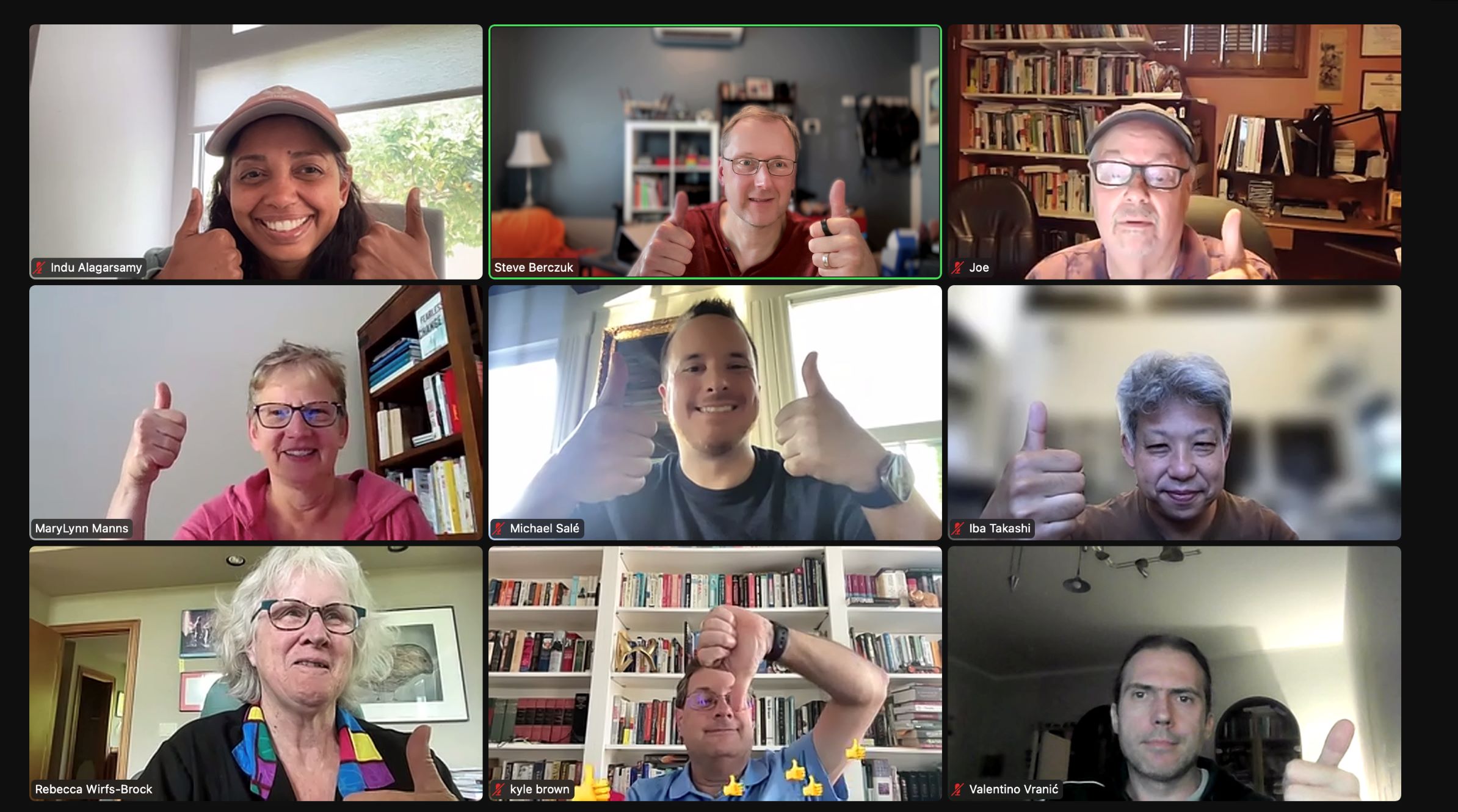
Each paper found suitable is assigned a shepherd, an experienced (pattern) writer, who helps the author improve the paper. Each paper is also assigned one program committee member to supervise shepherding.
Shepherding involves several iterations, each producing a revision of the paper. Each author and shepherd decide the extent of revision.
3
Step 3
After shepherding, each paper is assessed once more by the program committee members and program chairs. The decision to accept a paper takes into account the willingness of the author to consider the comments they received from their shepherd (as reported by the shepherd and program committee member who supervised shepherding).
Writers’ Workshops
At the conference, the papers are discussed in writers’ workshops with groups of paper authors and possibly other conference participants. Authors are expected to take into account comments they received in the writers’ workshops to improve their papers.
At least one of the authors of accepted papers is expected to register for the conference. Failure to do so will result in acceptance being withdrawn.
For more information, view A Pattern Language for Writers’ Workshops by Richard Gabriel.
Shepherding Process
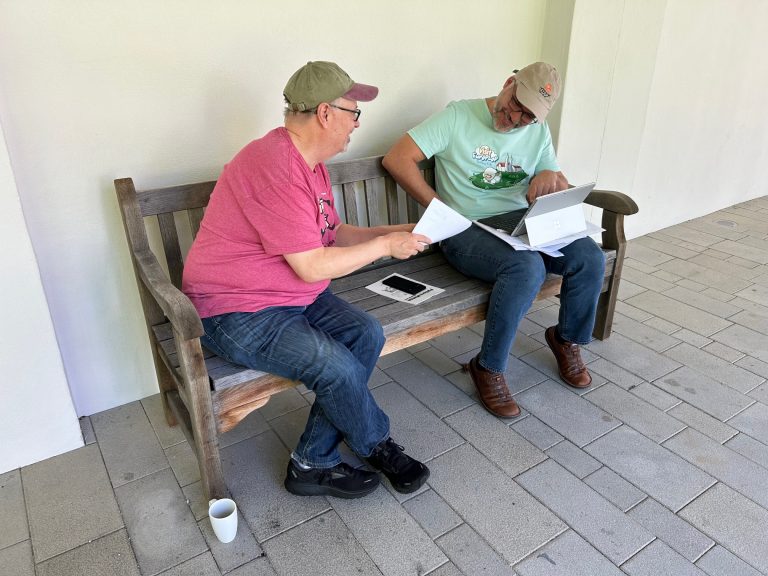
Shepherding is a revision process. Shepherds are experienced writers of patterns, essays, and other pattern-related papers. Each author of a submitted paper is assigned a shepherd who helps the author revise and improve the paper. All shepherds have experience with the shepherding process, either having been a shepherd before or having been helped by a shepherd.
Shepherding is about improving the manuscript. A shepherd can provide detailed reviews, make suggestions for both major and minor improvements, copyedit, or even provide draft material—it all depends on how the author and shepherd decide to work together. Shepherding is done before a paper is peer reviewed by the program committee.
Near the end of the shepherding, shepherds submit their recommendations to the Program Committee, which then decides whether it is accepted to a writers’ workshop of the conference. After a paper has been accepted, its author and shepherd can continue revising the paper to produce the conference draft version.
Richard Gabriel has written a guide to shepherding.
We are looking forward to your submission and meeting you at Yokohama, Japan.
Welcome to AsianPLoP 2026!
On behalf of PLoP 2026 Program Chairs
Kiyoka Hayashi & Shang-Pin Ma